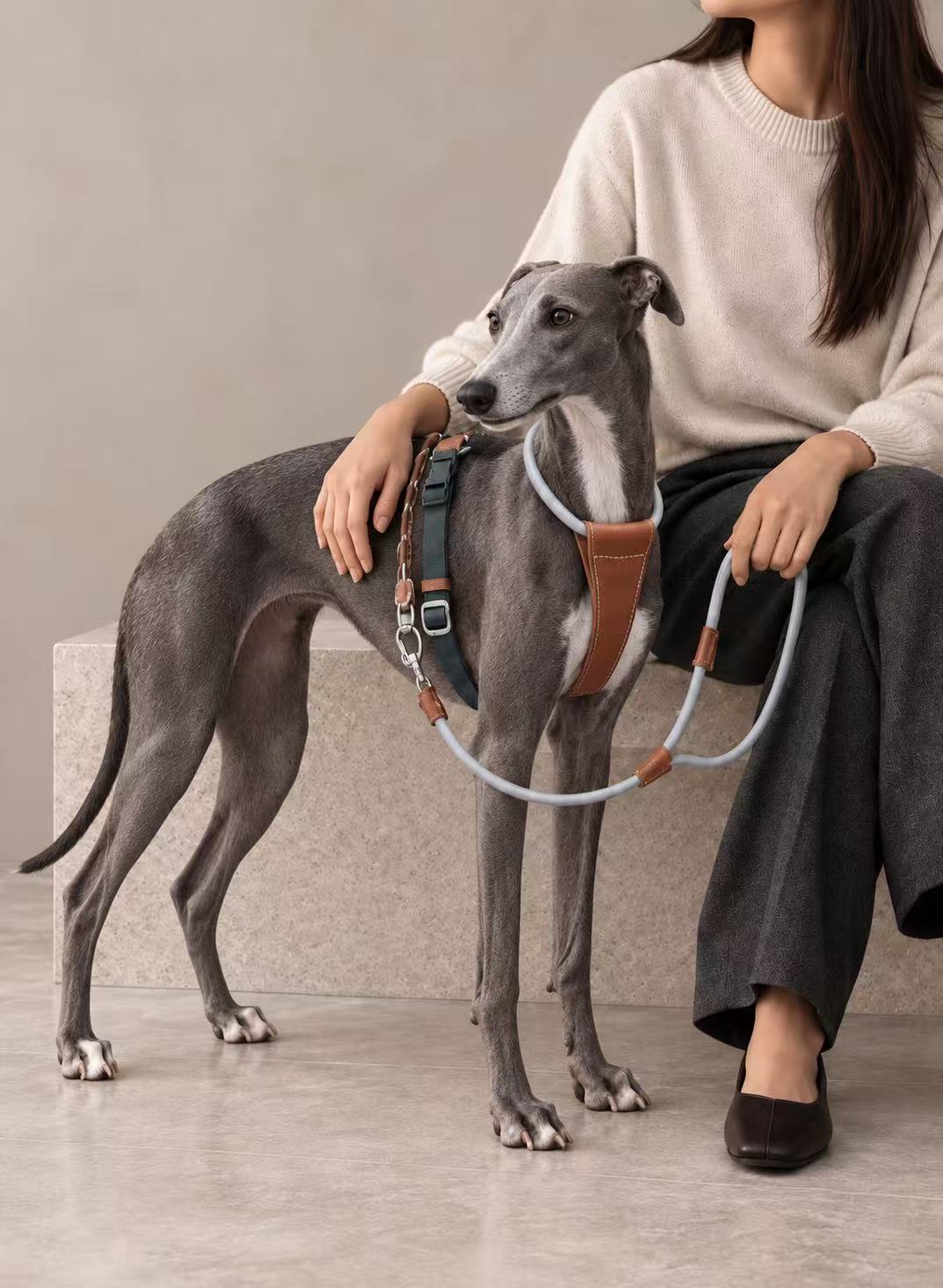


Helping Your Dog Age Gracefully – Red Light Therapy, Physiotherapy & Senior Dog Care for IVDD, Arthritis & More

Our dogs give us everything. Unconditional love, unwavering loyalty, and a presence in our lives that is impossible to replace. Thanks to remarkable advances in veterinary medicine, nutrition, and pet care, our dogs are living longer than ever before — and for many owners, that means more years of companionship, more walks, more memories, and more moments that matter.
But longer lives also bring new challenges. As dogs age, conditions like IVDD, arthritis, patella luxation, and hip dysplasia can significantly affect their comfort, mobility, and quality of life. Joint stiffness, muscle loss, chronic pain, and slower recovery are realities that many senior dogs — and their owners — face every day.
The good news? We can do more for our aging dogs than ever before. From professional physiotherapy techniques brought home, to innovative red light therapy devices, to thoughtfully designed senior-friendly accessories — here's everything you need to know about helping your dog age with comfort, dignity, and joy.
Understanding How Dogs Age
Dogs age at different rates depending on their size, breed, and genetics — but most dogs enter their senior years somewhere between 7 and 10 years of age. Larger breeds tend to age faster than smaller ones; a Great Dane may be considered senior at 6, while a Chihuahua might not show significant signs of aging until 10 or beyond.
Common signs that your dog is entering their senior years include:
· Stiffness after rest, particularly in the mornings or after long periods of lying down — often an early sign of osteoarthritis or degenerative joint disease
· Slower movement on walks, reluctance to jump or climb stairs — may indicate patella luxation, hip dysplasia, or spinal issues
· Back pain or hunched posture — a potential sign of IVDD (Intervertebral Disc Disease) or spondylosis
· Muscle loss, especially visible along the spine and hindquarters — common in dogs with degenerative myelopathy or muscle atrophy
· Increased sleep and reduced enthusiasm for activity
· Sensitivity to cold — older dogs feel the cold more acutely than younger ones
· Confusion or disorientation — possible signs of Canine Cognitive Dysfunction (CCD)
· Changes in coat quality — dullness, thinning, or increased shedding
None of these changes mean your dog's best years are behind them. With the right care, support, and products, senior dogs can live comfortable, happy, and active lives well into old age.
Common Conditions Affecting Senior Dogs
Understanding the specific conditions your dog may be facing is the first step toward providing the right support.
IVDD – Intervertebral Disc Disease
IVDD is one of the most common and serious spinal conditions in dogs — and certain breeds are disproportionately affected. Dachshunds, Corgis, Beagles, and other chondrodystrophic breeds (those with long spines and short legs) are at significantly elevated risk due to their body proportions.
IVDD occurs when the cushioning discs between the vertebrae of the spine degenerate, bulge, or rupture — pressing on the spinal cord and causing pain, weakness, and in severe cases, paralysis. Symptoms include:
· Reluctance to move, jump, or climb stairs
· Crying out in pain, especially when touched along the back
· Weakness or wobbling in the hind legs
· Loss of bladder or bowel control in severe cases
How red light therapy helps with IVDD: Studies have shown that photobiomodulation (red light therapy) can reduce spinal inflammation, accelerate nerve tissue repair, and provide meaningful pain relief for dogs with IVDD — both as a primary treatment for mild cases and as a recovery support tool following surgery.
Patella Luxation – Slipping Kneecap
Patella luxation — commonly known as a slipping kneecap — is one of the most frequently diagnosed orthopedic conditions in small and toy breeds. Yorkshire Terriers, Chihuahuas, Pomeranians, Bichon Frises, and Toy Poodles are among the breeds most commonly affected.
The condition occurs when the kneecap slips out of its normal position, causing intermittent lameness, a characteristic "skipping" gait, and over time, significant joint pain and arthritis. Symptoms include:
· Occasional three-legged walking or skipping steps
· Visible leg shaking or kicking to pop the kneecap back into place
· Gradual worsening of lameness as secondary arthritis develops
· Reluctance to exercise or play
How red light therapy helps with patella luxation: By reducing joint inflammation and stimulating cartilage repair, regular red light therapy sessions can significantly reduce the pain and discomfort associated with patella luxation — particularly valuable for dogs managing the condition without surgery, or recovering post-operatively.
Hip Dysplasia
Hip dysplasia is a developmental condition in which the hip joint doesn't form correctly, leading to instability, progressive cartilage damage, and eventually severe osteoarthritis. While it's most commonly associated with large breeds — German Shepherds, Labrador Retrievers, Golden Retrievers — it can affect dogs of any size.
Symptoms include:
· Reluctance to rise from rest or climb stairs
· A distinctive "bunny hopping" gait in the hindquarters
· Visible muscle loss in the hind legs
· Pain and stiffness after exercise
How red light therapy helps with hip dysplasia: Photobiomodulation has been shown to reduce inflammation in affected hip joints, stimulate cartilage repair, and improve muscle function — leading to measurable improvements in mobility and pain levels in dogs with hip dysplasia.
Osteoarthritis & Degenerative Joint Disease
Osteoarthritis — the gradual breakdown of cartilage within joints — is the single most common condition affecting senior dogs. It is estimated that one in five adult dogs suffers from some degree of arthritis, with prevalence increasing dramatically in dogs over 8 years of age.
Unlike acute injuries, osteoarthritis is a progressive condition — it cannot be cured, but it can be managed effectively with the right combination of treatments. Pain management, controlled exercise, physiotherapy, and red light therapy all play important roles in maintaining quality of life for arthritic dogs.
Spondylosis
Spondylosis deformans is a degenerative spinal condition in which bony spurs develop along the vertebrae, causing stiffness, reduced spinal mobility, and in some cases, nerve compression and pain. It is particularly common in older large breeds and in breeds prone to spinal issues.
Symptoms are often subtle in early stages — gradual stiffness, reluctance to bend or twist, and reduced range of motion — progressing to more significant pain and mobility loss as the condition advances.
Muscle Atrophy
Muscle atrophy — the progressive loss of muscle mass — is a natural consequence of aging in dogs, but it is significantly accelerated by the reduced activity that often accompanies painful joint conditions. As muscles weaken, joints lose support, pain increases, and mobility declines further — creating a cycle that, without intervention, progressively worsens.
Red light therapy, targeted physiotherapy exercises, and hydrotherapy are all effective tools for maintaining muscle mass and breaking this cycle in senior dogs.
Red Light Therapy – The Breakthrough Senior Pet Treatment
Among the most exciting developments in senior pet care in recent years is the rise of red light therapy — also known as photobiomodulation or low-level laser therapy (LLLT).
Originally developed for human medical use, red light therapy uses specific wavelengths of red and near-infrared light to penetrate deep into tissue, stimulating cellular repair, reducing inflammation, and accelerating natural healing processes.
What Red Light Therapy Can Do for Your Dog
Pain relief for arthritis, IVDD & joint conditions — Red and near-infrared light wavelengths reduce inflammation at the cellular level, providing meaningful relief for dogs suffering from osteoarthritis, IVDD, patella luxation, hip dysplasia, and spondylosis.
Improved mobility — By reducing inflammation and stimulating tissue repair, regular red light therapy sessions lead to noticeable improvements in movement, flexibility, and willingness to exercise in senior dogs.
Faster post-surgical recovery — Red light therapy accelerates natural cellular repair, making it particularly valuable for dogs recovering from IVDD surgery, patella luxation correction, or hip replacement procedures.
Nerve tissue repair — Near-infrared wavelengths penetrate deeply enough to stimulate nerve tissue repair — particularly relevant for dogs with IVDD-related nerve damage or degenerative myelopathy.
Muscle maintenance — Photobiomodulation supports muscle health at the cellular level — important for senior dogs experiencing muscle atrophy due to reduced activity or chronic pain.
Coat and skin health — The same cellular stimulation that benefits joints and muscles also improves skin health and coat quality — a welcome bonus for aging dogs whose coats often become duller and thinner.
Using a Red Light Therapy Device at Home
Professional red light therapy sessions with a veterinary physiotherapist are highly effective — but they're also time-consuming and expensive when needed regularly. Home-use pet red light therapy devices bring the same technology into your living room at a fraction of the cost per session.
Our Pet Red Light Therapy Device is designed specifically for home use — safe, easy to operate, and calibrated to the wavelengths proven most effective for canine pain relief and tissue repair. A typical session takes just 10-20 minutes, can be done while your dog rests, and most dogs find the gentle warmth deeply relaxing.
What to look for in a home red light therapy device:
· Wavelength — Look for devices offering both red light (630-660nm) and near-infrared (810-850nm) wavelengths for maximum therapeutic depth and effectiveness across different conditions
· Irradiance — Higher irradiance means more effective treatment in shorter sessions — particularly important for targeting deeper structures like hip joints and spinal discs
· Safety certifications — Always choose a device with appropriate safety certifications for pet use
· Ease of use — A device your dog tolerates comfortably and that's simple to operate makes consistent treatment far more likely
Senior-Friendly Accessories – Small Changes, Big Difference
Beyond physiotherapy and red light therapy, the right accessories can make a profound difference to a senior dog's daily comfort and quality of life.
Warmth Is More Important Than Ever
Older dogs — and particularly dogs managing arthritis, IVDD, or other painful conditions — feel the cold more acutely than younger ones. Cold temperatures cause muscles to tighten and joints to stiffen, significantly worsening the symptoms of arthritis, spondylosis, and hip dysplasia.
A well-fitted, genuinely warm coat isn't optional for many senior dogs — it's an essential part of their daily pain management. This is especially true for Dachshunds managing IVDD, small breeds with patella luxation, and lean sighthound breeds whose limited body fat makes them vulnerable to cold at any age. Browse our range of warm winter coats designed for serious cold-weather protection.
A Comfortable Resting Surface
Senior dogs — particularly those with IVDD, arthritis, or hip dysplasia — spend more time resting than younger ones, and the quality of that rest matters enormously. A supportive, cushioned resting mat that reduces pressure on painful joints and insulates from cold floors can make a significant difference to how a senior dog feels when they wake up.
Hard, cold floors are particularly problematic for dogs with joint conditions — the lack of cushioning increases pressure on already painful areas, while cold surfaces cause muscle tightening that worsens stiffness and pain. Our Foldable Pet Travel Mat provides a comfortable, cushioned surface that travels with your dog — ensuring they always have a familiar, supportive place to rest whether at home, at the vet, or out on a gentle outing.
Staying Warm on Walks
Shorter, gentler walks are often the right approach for senior dogs with IVDD, arthritis, or patella luxation — but those walks remain vital for mental stimulation, joint mobility, and overall quality of life. Ensuring your senior dog is properly dressed for the weather on every walk maximises comfort and encourages them to keep moving — essential for maintaining the muscle strength that supports compromised joints.
The Rise of Pet Physiotherapy
Human physiotherapy has been transforming recovery and pain management for decades. Now, the same principles are being applied to dogs with remarkable results.
Pet physiotherapy for conditions like IVDD, hip dysplasia, and patella luxation encompasses:
Massage therapy — Targeted massage improves circulation, reduces muscle tension, and provides pain relief. Particularly beneficial for dogs with spondylosis or muscle atrophy.
Hydrotherapy — Controlled water exercise reduces joint impact while building muscle strength — the gold standard rehabilitation tool for post-surgical IVDD and hip dysplasia recovery.
Stretching & mobility exercises — Gentle range-of-motion exercises maintain joint flexibility and prevent progressive stiffening in arthritic dogs.
Thermotherapy — Heat application to stiff joints and muscles improves blood flow and reduces stiffness — particularly effective for arthritis and spondylosis sufferers on cold days.
A Note on Veterinary Care
While home physiotherapy tools, red light therapy devices, and supportive accessories can make a meaningful difference, they work best as complements to — not replacements for — regular veterinary care.
If your dog is showing significant signs of IVDD, patella luxation, hip dysplasia, or other serious conditions, always consult your veterinarian first. A proper diagnosis ensures that any home treatment programme is appropriate and doesn't inadvertently mask symptoms that need professional attention.
More Years, Better Years
The goal of senior dog care isn't simply to extend the years our dogs spend with us — it's to ensure that those years are filled with comfort, vitality, and joy. Whether your dog is managing IVDD, arthritis, patella luxation, hip dysplasia, or simply the natural effects of aging, the right combination of veterinary support, physiotherapy, red light therapy, and thoughtfully chosen accessories can give them the quality of life they deserve.
Because they've given us everything. The least we can do is give them their best years back.
Explore our full range of senior dog care products and accessories — designed with love, for dogs who deserve nothing less.